Introduction:
Social media remains one of the most powerful channels for brand growth in 2026. Platforms evolve quickly, and staying updated with trends is critical for businesses seeking engagement and visibility.
Platform-Specific Strategies:
Different platforms require tailored strategies. Instagram thrives on visual storytelling, LinkedIn for professional content, TikTok for short engaging videos, and Facebook for community building. Understanding each platform’s audience and engagement style is vital.
Content Planning & Scheduling:
A content calendar ensures consistency. Posting frequency affects engagement; too little reduces visibility, too much overwhelms followers. Tools like Buffer, Hootsuite, and Later help schedule posts and analyze performance.
Paid Ads & Campaigns:
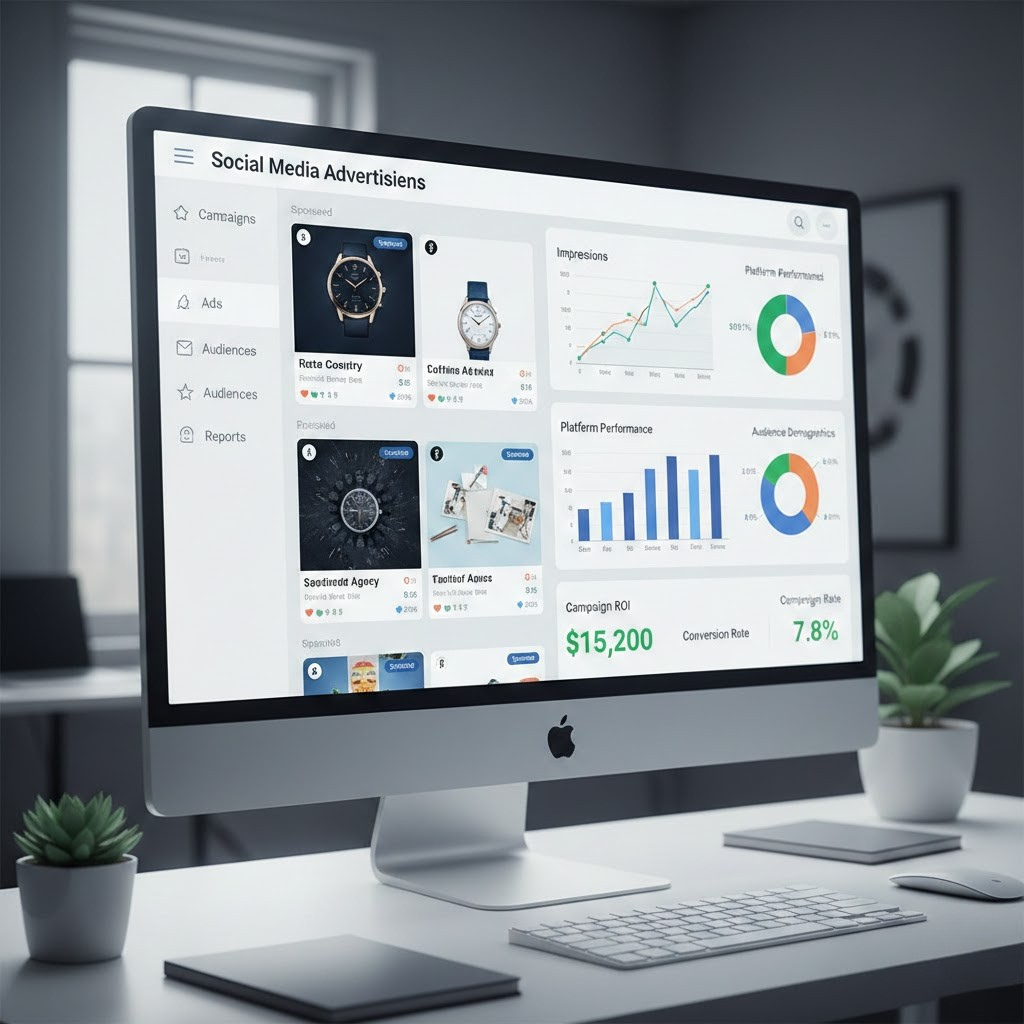
Social media advertising amplifies reach. Targeted ads allow precise audience segmentation. A/B testing different creatives and messaging ensures campaigns are optimized for performance and ROI.
Engagement & Community Building:
Responding to comments and messages builds trust. Social listening tools track brand mentions and sentiment. Engaging content encourages shares, increasing organic reach.
Analytics & Reporting:
Measuring KPIs like engagement rate, reach, impressions, and follower growth is essential. Analytics informs strategy adjustments and highlights high-performing content.
Future Trends:
AI-generated content, video-first campaigns, interactive polls, and AR experiences are becoming standard. Brands adopting these trends early gain a competitive advantage.
Conclusion:
Social media marketing in 2026 requires strategy, creativity, and analytics. Businesses that adapt and innovate can enhance engagement, grow followers, and strengthen brand presence online.